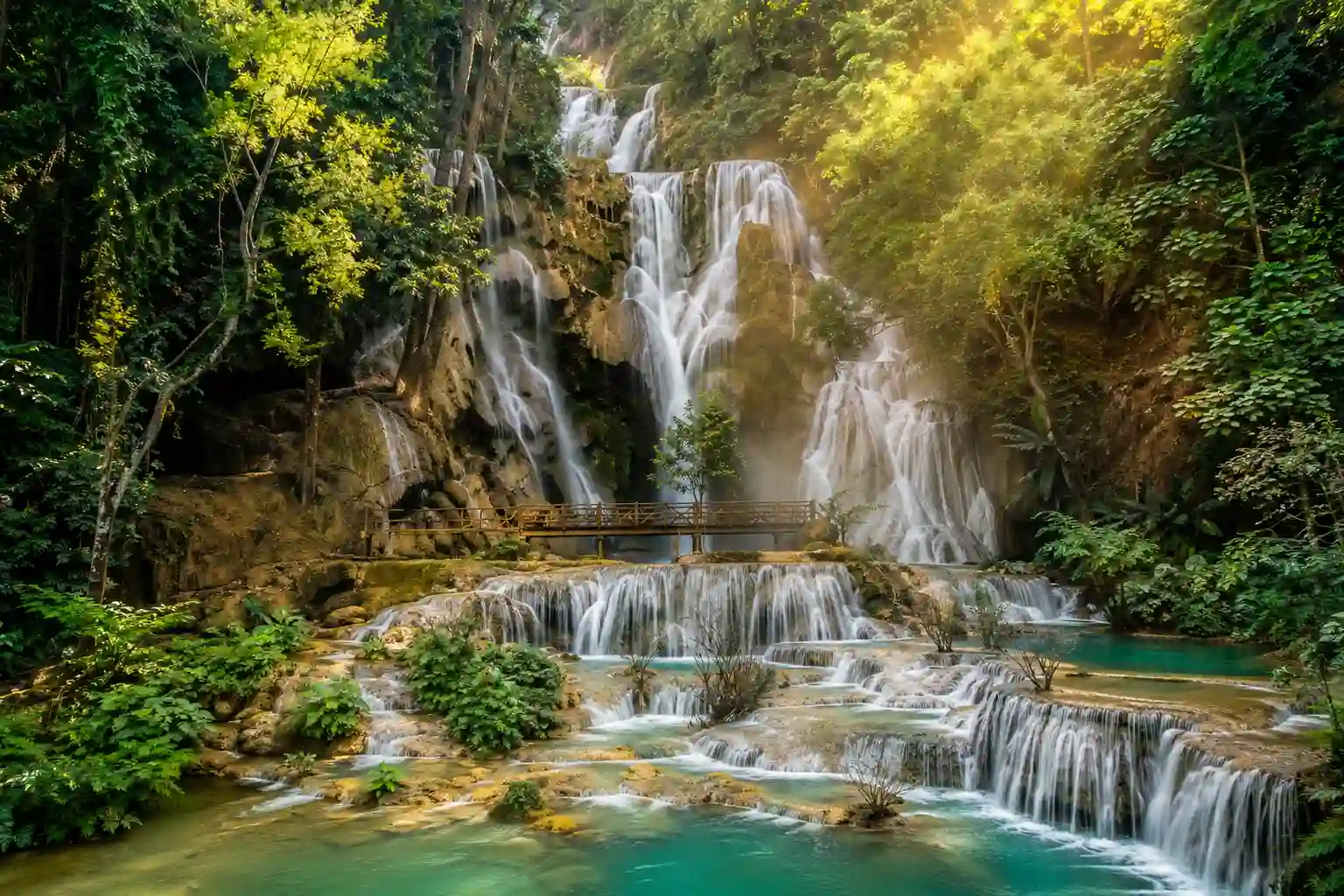
Have you ever stood in front of a rushing wall of water and thought, “wow, that’s beautiful,” but then wrote “waterfall” for the fifth time in one paragraph? You are not alone. A waterfall is a place where water drops from a high point to a lower point, often over rocks. Writers, students, and travel bloggers all need fresh words to describe this natural wonder without sounding repetitive.
That’s exactly why synonyms for waterfall matter. If you write travel guides, poems, essays, or social captions, using different words like cascade or falls keeps your writing lively. In this guide, we’ll explore real, dictionary-supported synonyms for waterfall, sorted into easy categories, so you always have the right word for the moment.
What Is a Synonym for Waterfall?
A synonym for waterfall is a word that means the same thing: water falling from a height. Common examples include cascade, falls, cataract, and chute. These words describe the same natural feature but fit different tones, from poetic to scientific.
Why Learning Waterfall Synonyms Helps Your Writing
Using the same word again and again can make your writing feel flat. Learning words like waterfall gives your sentences more color and keeps readers interested. It also helps ESL learners build a stronger vocabulary bank and helps content writers avoid keyword repetition while staying on topic.
Below, you’ll find a full waterfall synonyms list, grouped by how they’re actually used in real English.
True Synonyms
These words can replace “waterfall” in most everyday sentences without changing the meaning.
Cascade
Meaning:
A cascade is a small waterfall, often one of several steps of falling water.
Examples:
- We hiked for an hour just to see the beautiful cascade in the forest.
- The garden had a small cascade built from smooth stones.
Falls
Meaning:
Falls is another common word for a waterfall, often used in place names.
Examples:
- Niagara Falls attracts millions of visitors every year.
- The local guide told us about a hidden falls near the river.
Cataract
Meaning:
A cataract is a large, powerful waterfall with a strong, rushing flow.
Examples:
- The explorers described the cataract as loud enough to shake the ground.
- Ancient writers often described the Nile’s cataracts as dangerous to cross by boat.
Force
Meaning:
Force is an older, regional word for waterfall, still used in parts of northern England.
Examples:
- High Force is one of the most famous waterfalls in the English countryside.
- Locals still call the smaller waterfall nearby simply “the force.”
Chute
Meaning:
A chute is a narrow, steep channel where water rushes downward quickly.
Examples:
- The kayakers paddled fast toward the rocky chute ahead.
- Water poured through the narrow chute with incredible speed.
Foss
Meaning:
Foss is a word of Scandinavian origin used for waterfall, common in place names in Iceland and Scotland.
Examples:
- Many towns in Iceland include the word “foss” in their names, like Gullfoss.
- The old map marked a small fossil just past the village.
Linn
Meaning:
A linn is a Scottish word for a small, steep waterfall or a pool below one.
Examples:
- We stopped to rest beside the quiet linn in the glen.
- The trail led us straight to a hidden linn surrounded by trees.
Plunge
Meaning:
A plunge is the sudden, steep drop of water at a waterfall.
Examples:
- The river takes a sharp plunge just past the bend.
- Visitors gathered to watch the water’s dramatic plunge into the pool below.
Formal or Technical Terms
These words are used more often in engineering, geography, or scientific writing.
Spillway
Meaning:
A spillway is a man-made structure that lets extra water flow safely over or around a dam.
Examples:
- Engineers opened the spillway to release water during the flood.
- The dam’s spillway created a small artificial waterfall.
Sluice
Meaning:
A sluice is a controlled channel or gate that directs the flow of falling water.
Examples:
- The old mill used a wooden sluice to power its wheel.
- Workers adjusted the sluice gate to control the water’s speed.
Everyday and Informal Usage Terms
These simpler words are common in casual speech and everyday writing.
Drop
Meaning:
A drop is a casual word for the steep point where water falls down.
Examples:
- There’s a big drop just around that corner of the river.
- Kids love watching the water disappear over the drop.
Fall
Meaning:
Fall, used alone, can describe a waterfall, especially in short or casual descriptions.
Examples:
- We found a quiet fall tucked behind the trees.
- The map showed a small fall just off the main trail.
Related Terms
These words connect closely to waterfalls but are not direct substitutes. Use them to add context, not to replace “waterfall.”
Rapids
Meaning:
Rapids are fast, rough sections of a river, often found near or leading to a waterfall.
Examples:
- The rapids grew stronger just before the river reached the falls.
- Rafters need experience to handle rapids safely.
Torrent
Meaning:
A torrent is a strong, fast-moving stream of water, often connected to heavy rain or a waterfall.
Examples:
- After the storm, a torrent rushed down the hillside.
- The narrow canyon channeled the torrent into a roaring waterfall.
Gorge
Meaning:
A gorge is a deep, narrow valley, often shaped by a river or waterfall over time.
Examples:
- The waterfall dropped into a stunning gorge below.
- Hikers followed the trail along the edge of the gorge.
Frequently Asked Questions
What is another word for waterfall?
Common alternatives include cascade, falls, cataract, and chute. Each fits slightly different situations, from poetic writing to geography terms.
What is a synonym for waterfall in geography or science writing?
In geography and engineering contexts, words like cataract and spillway are more common, since they describe scale or artificial structures.
Is “falls” singular or plural when used as a synonym for waterfall?
“Falls” looks plural but is often used as a singular name, as in “Niagara Falls is beautiful,” so it follows the name, not standard plural rules.
What word can I use instead of waterfall in a short poem?
Words like cascade, plunge, or linn work well in poetry because they sound softer and more descriptive than “waterfall.”
Why do we use synonyms for waterfall in writing?
Synonyms keep writing interesting, avoid repetition, and let writers match their tone, whether formal, poetic, or casual.
CONCLUSION
Learning synonyms for waterfall makes your writing stronger, whether you’re crafting a blog post, a school essay, or a quick travel caption. Words like cascade, cataract, and falls each bring their own flavor to a sentence.
Try using a new synonym next time you write about nature. Practice them in emails, essays, or everyday conversation, and your English will feel more natural and expressive in no time.