
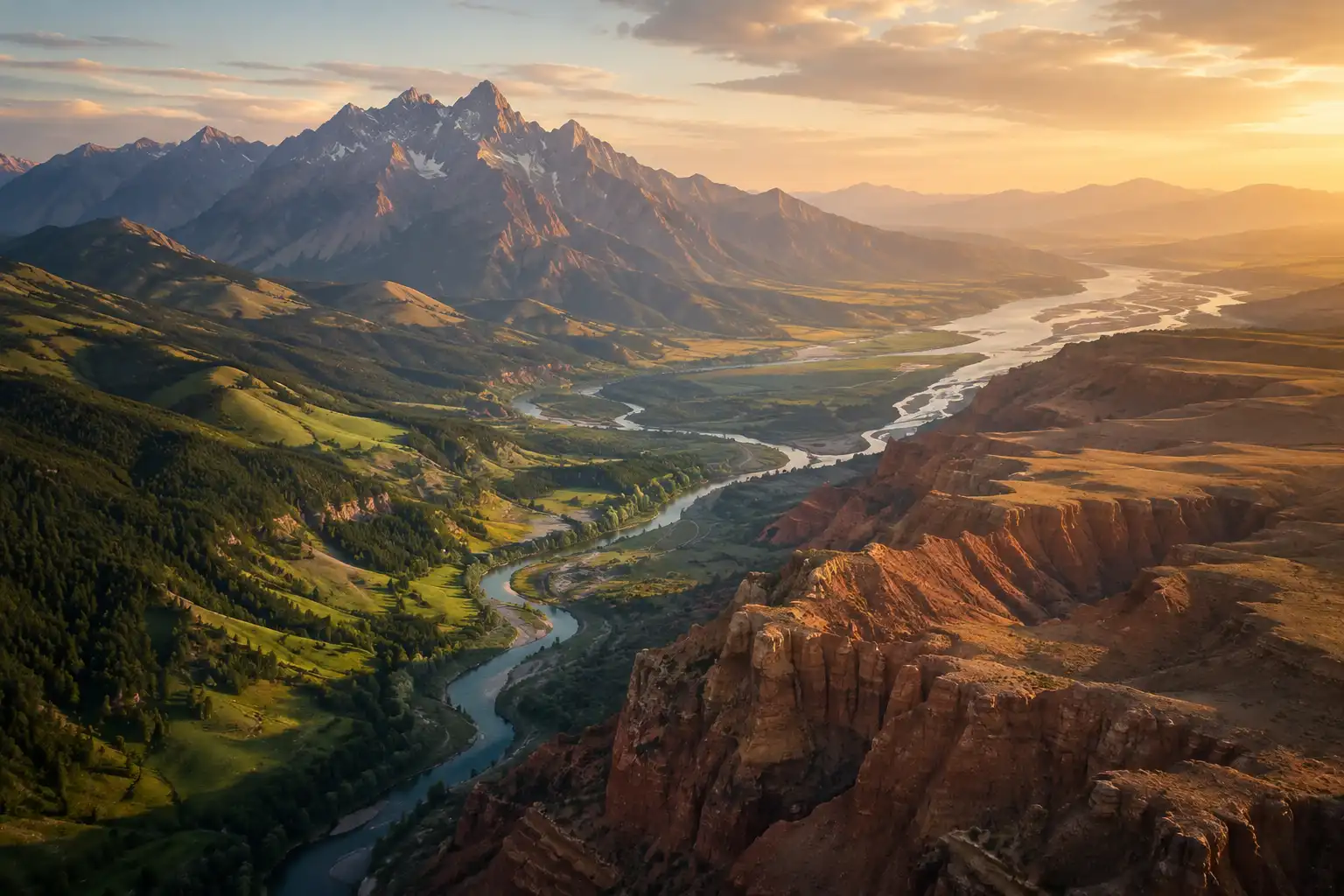
Have you ever stood on a mountain trail and wanted to describe what you saw without repeating the word “landforms” five times in one paragraph? You are not alone. Writers, students, and travel bloggers run into this problem all the time.
What is a synonym for landforms? A synonym for landforms is any word that describes a natural physical feature of the Earth’s surface, such as “terrain features,” “geographic features,” or “topographical features.” These words refer to things like mountains, valleys, hills, and plains that shape the land around us.
Landforms are the natural shapes and structures found on the Earth’s surface. A mountain is a landform. So is a valley, a plateau, or a canyon. When you write about geography, science, or travel, using the same word again and again can make your writing feel flat. That is why learning synonyms for landforms is so useful. It helps students write better essays, helps bloggers create more engaging content, and helps everyday English speakers sound more natural. In this guide, you will find real, dictionary-supported synonyms for landforms, grouped by category, with simple meanings and example sentences.
True Synonyms for Landforms
These words can genuinely replace “landforms” in most everyday and academic contexts.
Terrain Features
Meaning: Terrain features are the natural shapes found on a piece of land.
Examples: The map showed all the terrain features around the lake. Hikers should study terrain features before climbing a new mountain.
Geographic Features
Meaning: Geographic features are natural parts of the Earth’s surface, like rivers or hills.
Examples: Our teacher asked us to label the geographic features on the world map. The documentary explored unusual geographic features in South America.
Physical Features
Meaning: Physical features are the natural things you can see on land, such as mountains or deserts.
Examples: The textbook chapter described the physical features of Africa. Photographers often travel far to capture unique physical features.
Topographical Features
Meaning: Topographical features are the natural shapes and heights of the land in one area.
Examples: The survey team recorded every topographical feature of the valley. This app shows topographical features before you plan a hike.
Formal and Technical Terms
These words are common in science, geography, and academic writing.
Geomorphic Features
Meaning: Geomorphic features are landforms studied for how they were created and changed over time.
Examples: Geologists mapped the geomorphic features left behind by the glacier. The report focused on geomorphic features near the coastline.
Relief Features
Meaning: Relief features are the differences in height and shape across a piece of land.
Examples: The globe used color to show relief features like mountains and lowlands. Relief features on the map helped us plan a safer route.
Geological Formations
Meaning: Geological formations are natural rock structures or land shapes formed over long periods of time.
Examples: Tourists gathered to photograph the strange geological formations near the canyon. Scientists study geological formations to learn about the planet’s history.
Everyday and Informal Terms
These words are simpler and work well in casual writing, blogs, and conversation.
Land Features
Meaning: Land features are the natural parts of the ground you can see, like hills or rivers.
Examples: This region has unusual land features that attract visitors every year. The kids drew pictures of different land features they saw on vacation.
Natural Formations
Meaning: Natural formations are shapes in the land or rock that were made by nature, not people.
Examples: The cave is one of the most famous natural formations in the country. We stopped the car to admire the natural formations along the highway.
Earth Features
Meaning: Earth features are natural shapes and structures found on our planet’s surface.
Examples: The globe in the classroom highlighted major earth features in bright colors. Students learned to identify earth features using satellite images.
Related Terms (Not Direct Substitutes)
These words connect closely to landforms in meaning, but they are not exact replacements. Use them carefully, since they describe related ideas rather than the same thing.
Topography
Meaning: Topography is the detailed study or description of the shape and height of the land.
Examples: The book explained the topography of the entire mountain range. Pilots need to understand topography before flying over rough areas.
Terrain
Meaning: Terrain is the general word for the ground and its natural shape in a specific place.
Examples: The desert terrain made the journey slow and difficult. Soldiers trained on rocky terrain to prepare for the mission.
Why Synonyms for Landforms Matter
Repeating the same word can make writing sound boring, even when the topic is exciting. If you are describing a mountain range, a canyon, or a coastline, switching between words like terrain features, geographic features, and natural formations keeps your writing fresh. This matters for students writing geography essays, bloggers creating travel content, and content writers producing SEO articles. Using varied, accurate vocabulary also shows readers, and search engines, that you understand the topic well.
Choosing the right synonym also depends on context. “Topography” fits well in a scientific report, while “land features” feels more natural in a casual blog post. Knowing several options for landforms gives you the flexibility to match your tone, whether formal or friendly, without losing meaning.
FAQs About Synonyms for Landforms
What is another word for landforms?
Common alternatives include terrain features, geographic features, physical features, and land features.
What is a synonym for landforms in scientific writing?
In scientific or academic writing, “geomorphic features” or “geological formations” are commonly used instead of “landforms.”
Is “topography” the same as landforms?
Not exactly. Topography refers to the study or description of the land’s shape, while landforms are the actual physical features themselves.
What word can I use instead of landforms in a blog post?
For casual or travel writing, try “natural formations,” “land features,” or simply “terrain.”
Why do we use synonyms for landforms in writing?
Synonyms prevent repetition, improve readability, and help match the tone of your writing, whether it is formal, academic, or conversational.
Conclusion
Learning synonyms for landforms makes your writing clearer and more engaging, whether you are working on a school essay, a travel blog, or a geography report. Words like terrain features, geographic features, and natural formations let you describe mountains, valleys, and coastlines without sounding repetitive. Try using a few of these words the next time you write an email, essay, or blog post about the natural world. Small changes like these can make your writing stand out and feel more polished.